



Why Deposition Preparation Matters


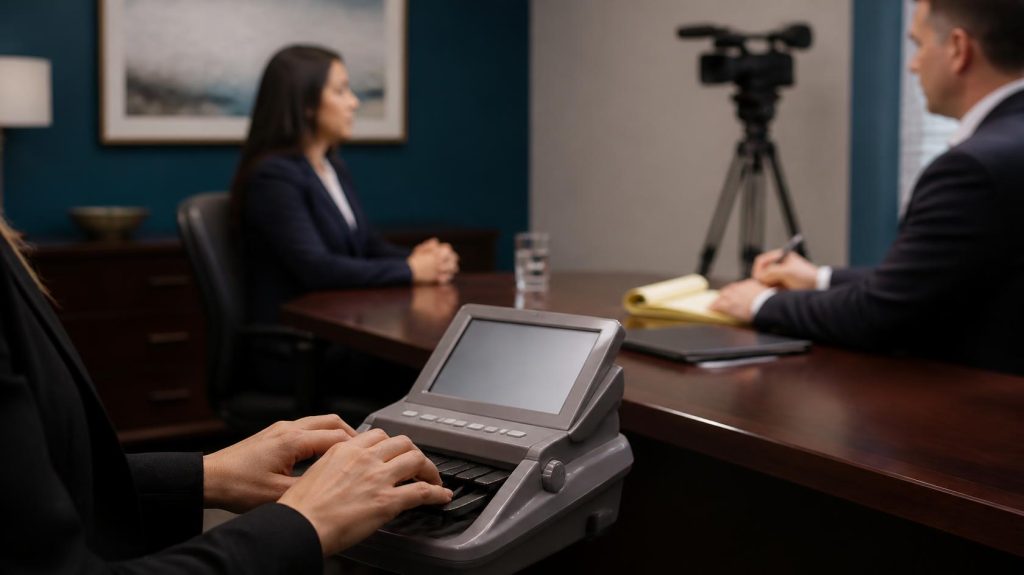
When people think about deposition preparation, they usually think about words: what you say, how you answer, whether you slip up on a date or a detail. But long before opposing counsel asks their first question, they are already evaluating something else entirely: you.
A deposition is not just a fact-finding exercise. For opposing counsel, it is a live audition. They are watching you the way a jury eventually might. They are asking themselves a simple but critical question: if this case goes to trial, will this witness help their side or hurt it? The answer to that question can shape settlement value, litigation strategy, and whether a case gets pushed toward trial or resolved long before it ever gets there. That means your presentation at a deposition isn’t a formality. It’s evidence.
Why Deposition Preparation Is a Preview, Not Just a Transcript
Opposing counsel isn’t only listening for admissions or inconsistencies. They’re assessing credibility, composure, likability, and whether you come across as someone a jury would trust. A witness who is calm, prepared, and respectful under pressure signals to the other side that their case has real teeth. A witness who seems careless, combative, or unprepared sends the opposite message. It suggests there’s an opening to exploit, and possibly a discount to be had.
This is true whether you are a party to the case, a treating physician, a corporate representative, or a fact witness. The transcript captures your words. Opposing counsel’s private assessment captures everything else, and that assessment often carries just as much weight in settlement negotiations as the substance of the testimony itself.
Dress Like the Case Matters, Because It Does
Business attire at a deposition is not about vanity or formality for its own sake. It is a nonverbal statement that you understand the seriousness of the proceeding and that you are taking your role in it seriously. Jurors are told, again and again, to use their common sense. So is opposing counsel. If a witness shows up looking like they rolled out of bed, it invites the inference that they don’t respect the process, don’t respect the truth-finding function of a deposition, or simply don’t care enough to prepare.
Dressing professionally costs little and buys a great deal. It signals discipline, respect for the proceeding, and respect for yourself. It is one of the easiest, lowest-cost ways to control the story opposing counsel is quietly building about you before you’ve said a single word on the record.
Location and Setting Matter More Than People Think
This should go without saying, but experience has taught us otherwise. A deposition is not something you attend from the driver’s seat of your car, from a parking lot, or, yes, this has actually happened, from the aisle of a CVS while running errands. Remote depositions have made testimony more convenient, but convenience is not the goal. Credibility is.
Appearing from a chaotic, public, or obviously informal location communicates the same thing sloppy attire does. It signals that this proceeding is an inconvenience being squeezed in between other tasks, rather than a serious legal event with real consequences. Opposing counsel notices. Court reporters notice. And if the deposition is ever played back, a jury will notice too.
Before any deposition, whether in person or remote, take the time to secure a quiet, private, well-lit, and professional setting: a conference room, a home office, anywhere free of distractions, background noise, or the appearance that you’re multitasking. It should look like exactly what it is: an event important enough to stop everything else for.
Small Signals, Big Consequences
None of this replaces substance. Truthful, accurate, well-prepared testimony is always the foundation. But presentation is not a distraction from substance. It is the frame around it. The same testimony, given by a witness who appears composed, respectful, and prepared, lands very differently than it does from a witness who appears rushed, distracted, or dismissive of the process.
Opposing counsel is building a mental trial exhibit out of every deposition they take, whether they say so or not. That’s why deposition preparation should include far more than knowing your facts. The question they’re asking is always some version of: would a jury like this person? Believe this person? Forgive this person’s mistakes? How you dress, where you sit, and how seriously you visibly treat the proceeding all answer that question before you’ve even been sworn in.
Reviewed by Michael P. Maddux, Esq. | Board Certified Criminal Trial Lawyer | Florida Super Lawyer for 16 Consecutive Years